Imitations in Ancient Ceramics
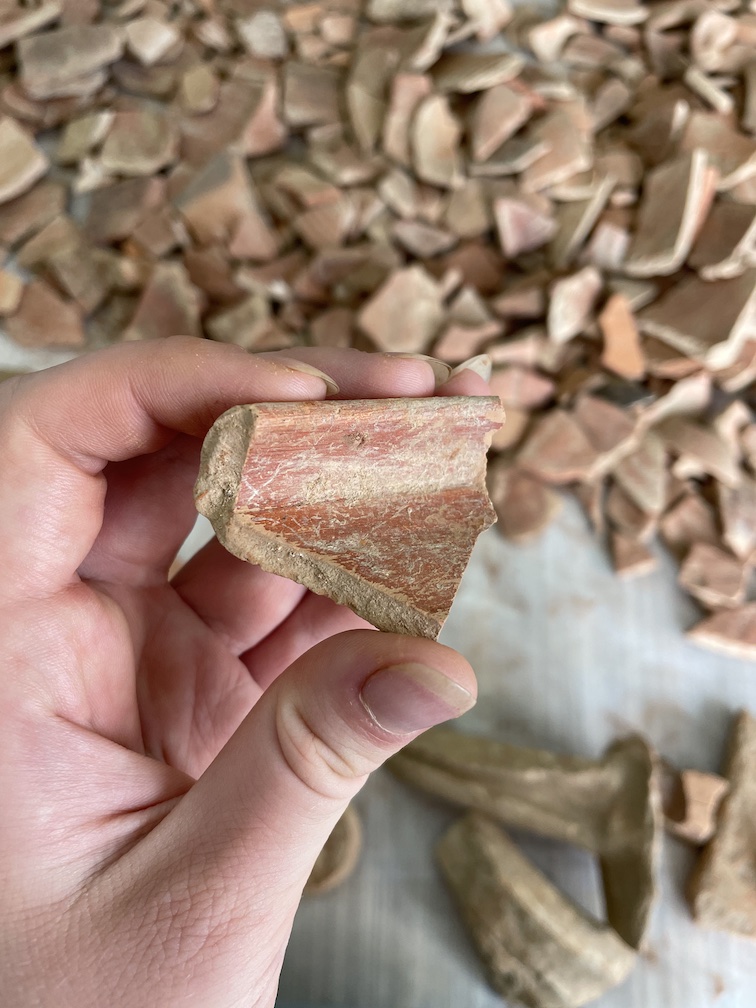
The study of ceramics has been an integral part of archaeology in all of its phases. Ceramics are a very early product type to arise in cultures and they are continuously present throughout time within most social classes, thus providing researchers with a database of knowledge for an array of topics one may wish to research. They can provide information about the stratification of a society, the processes by which it operated, far-reaching trade between various groups, not to mention the individual style and artistic value of individual finds. The last point withstanding, the extrapolation of meaning from ceramic finds requires them to be clearly identified with a certain typology, and the provenance, cost, and artistic production methods that are associated with that typology are the factors that give meaning to the finds. The classification process, however, is a difficult one due to the organic nature of the boundaries between groupings. Even if we are to reject the linear model of development within ceramic decoration and form proposed by the Classicists to acknowledge the presence of various parallel styles existing within a location, there still remains the issue of external influence.
Overview of various approaches
Historically, and even to this day, one of the main reasons for identifying imitations is to sort out the desired “real thing” from the “fakes”. Art collectors and cataloguers need to be able to cast aside the cheaper look-alikes. And this value judgement is fair to a point, as imitations do tend to be of poorer craftsmanship and materials than their prototypes, though it is important to note that this is not always the case, making distinction difficult. “Even today”, Franci and Colomban remark, “the identification of works of art mostly follows the senses of the connoisseur rather than a scientific point of view: the shape and texture of the object, color, aesthetics of the decor, weight in hand, sound after a slight shock, etc. It follows that the conclusion is highly subjective, if not an authoritative argument.”[7]
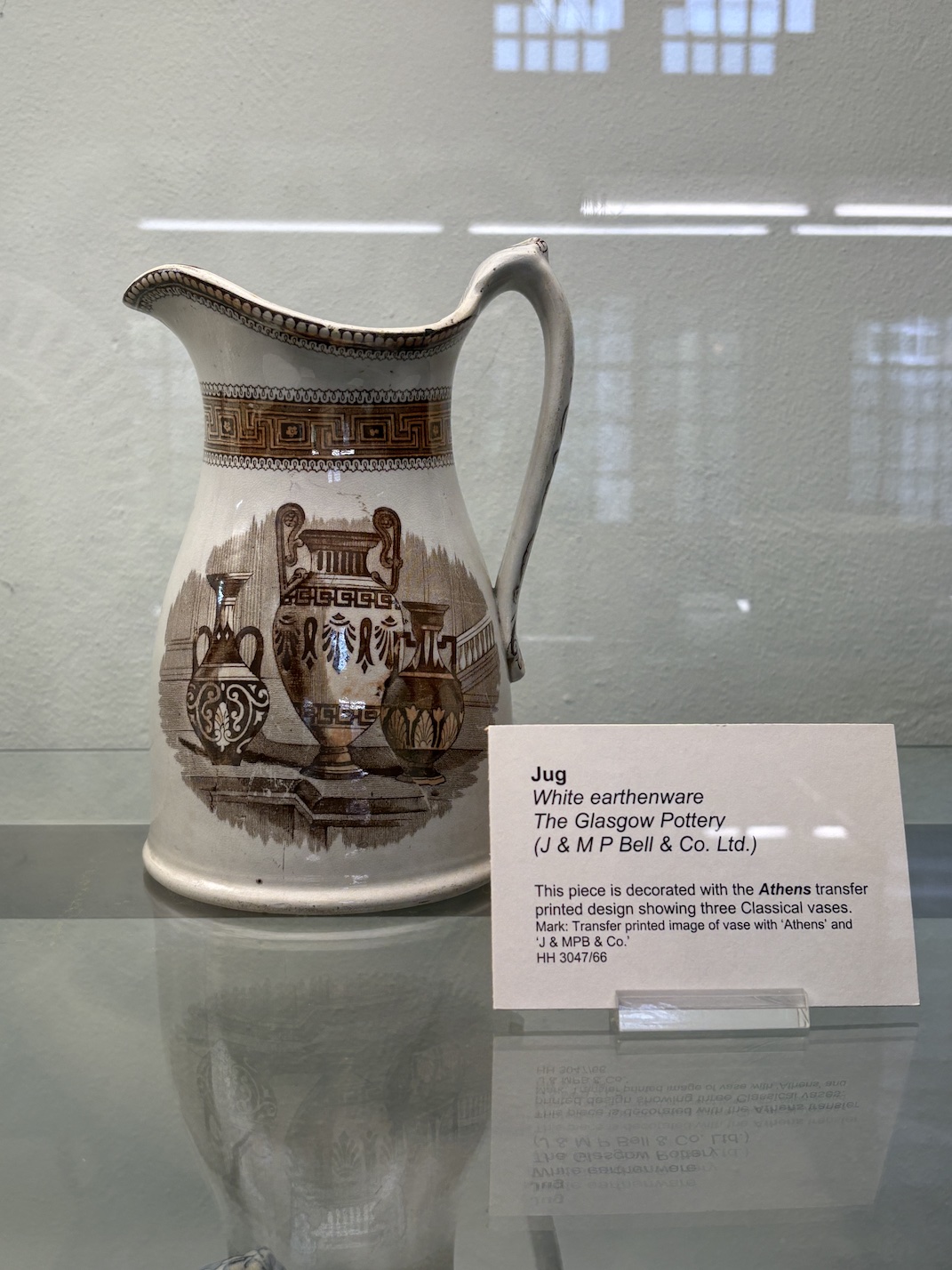
Regardless of the quality of production, the imitation always differs from the original in that it is produced elsewhere. In establishing typologies, location of production tends to take the central stage. Two works produced in the same location and general style but differing wildly in quality will be catalogued as a good and poor example of the same typology, while two very similar-looking ceramics produced in separate locations are classified as an original and a skillful imitation. Despite all of the nuances there is much logic to this approach. Geography is a far more objective factor than attempts at reconstructing cultural borders and structures, and the geographically-defined geology defines the very fabric of the vessels. And going back to the cultural aspects themselves, as I have mentioned in the beginning of this paper, by answering the question of where an object was produced and the style of which foreign production center is it trying to imitate one can get at the questions of cultural influence and economic structures.
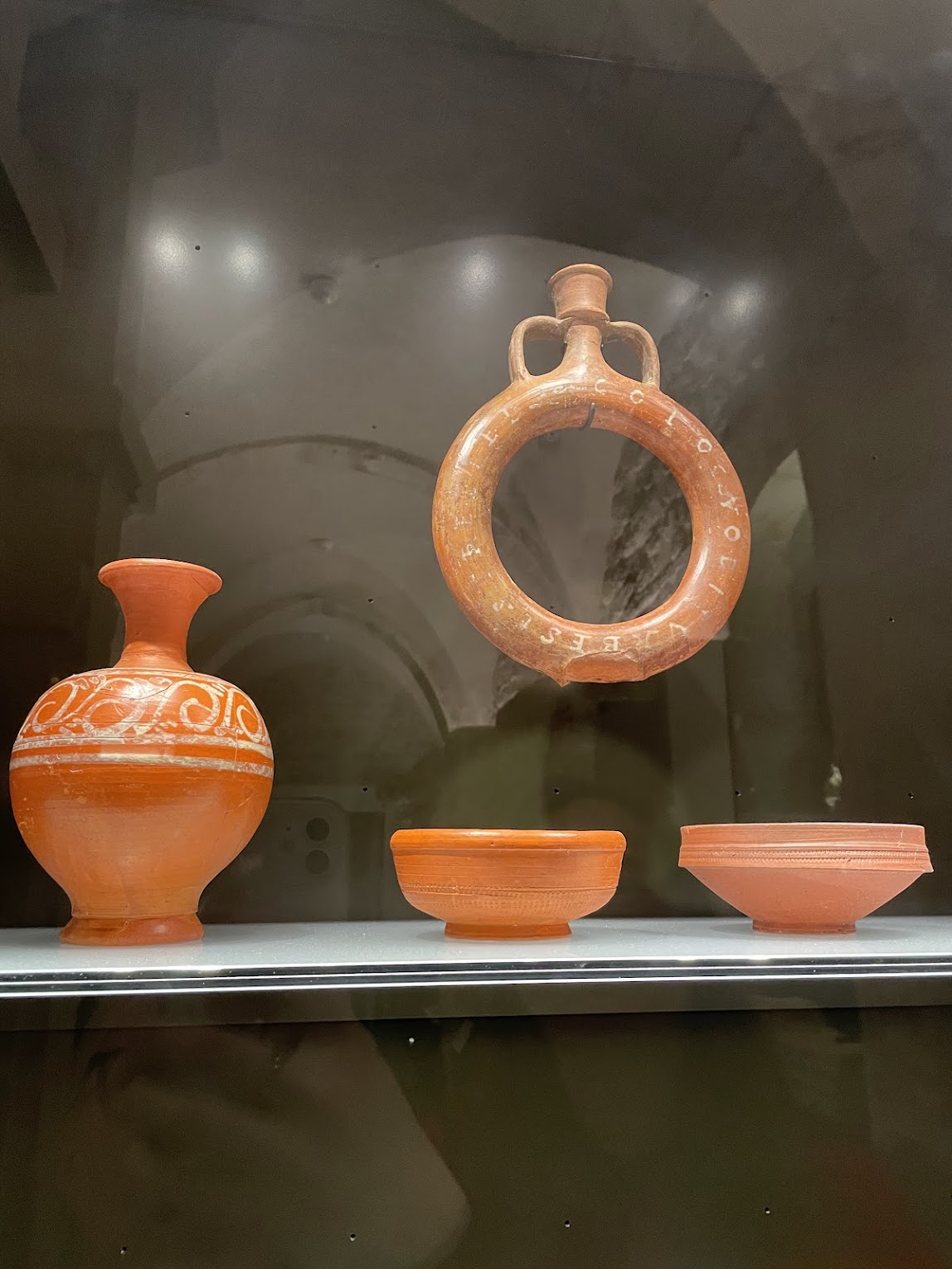
Advancements in scientific methods have allowed for a more quantitative and detailed response to these questions through the analysis of the structure and composition of the fabric of the ceramics. The presence of major and trace elements allows one to identify the origin of the raw materials not just on a local, but a “micro-local” level. For example, the presence of volcanic inclusions from the Somma-Vesuvius area allow for the distinguishing of the original Pompeian Red Slip Wares even from their most proximal imitations[3]. Microfossils have likewise been found to be helpful tools for categorizing the Phoenician Red Slip Ware of Cadiz into two fabrics with similar benthic fossils and a rere “loner” sample characterized by planktonic inclusions, giving more weight to other observable difference in composition and porosity between the groups[1].
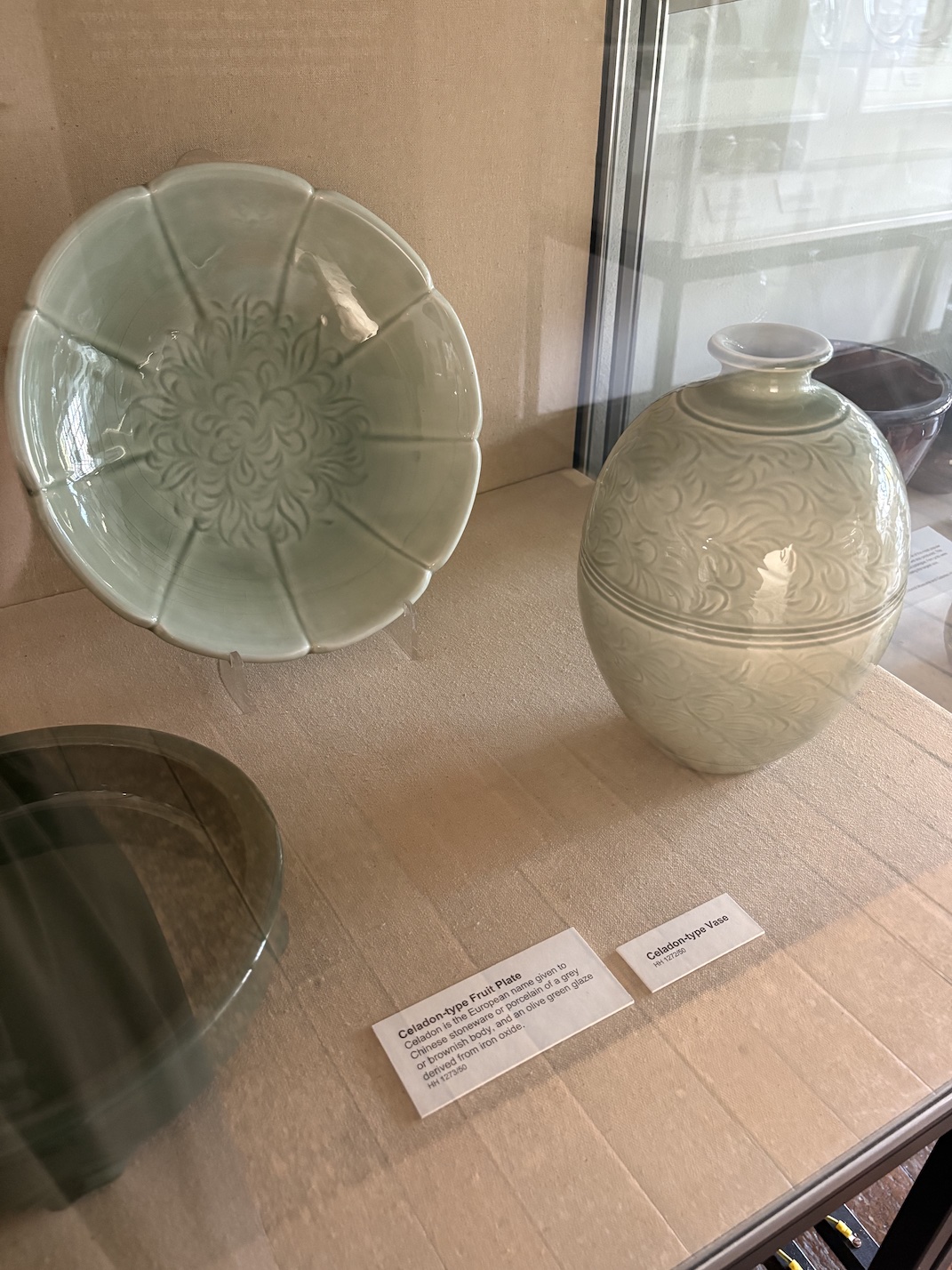
Besides the increased objectivity of the mineralogical fabric analysis, this approach improves the identification of provenance by relying on the geology itself. The stylistic typology for ceramics is often incomplete or doubtful and these gaps in data cannot easily be patched without the input of numerous systemic documentation projects. Soil samples, on the other hand, can be obtained in a much more straightforward manner. The downside of this technique is that it requires a partial destruction of the artefact. Thankfully new developments in non-invasive techniques such as X-ray fluorescence have alleviated some of these concerns while providing equally accurate data[2]. However, the issue remains for slipped wares, as the outer slip needs to be examined separately from the inner fabric[2].
Beyond the issue of classification, differences in raw material selection and production techniques can help us to understand the intent and attitudes of the people towards these works. For a long time imitations have been dismissed as cheaper copies of the coveted originals. And while “it cannot be denied that many vessels identified as imitations are of lesser quality, usually characterised by poorly adhered decoration, a soft, ill-fired, often crumbly clay, and easy breakage”, the reasons for their production are not readily apparent and it is not to be immediately assumed that the ancient consumers treated these imitations with the same disdain that we have for “knockoffs”[2]. While “faking for deception”, or imitation as forgery, was practiced[5], it oftentimes doesn’t seem to be the main reason for producing imitations. The examinations of the Pannonian Slipped Ware at Mursa[4], for example, have brought to light examples of ceramics that both imitate known imported terra sigillata styles and shapes and those that perhaps willingly deviate from them. Many of the catalogued finds show traits of both Gaulish and Italian (Po Valley) terra sigillata, combining them with local pre-colonial (“authentic”) styles and shapes. Additionally, the imported, authentic and imitated vessels are found in the same assemblages, indicating that their contemporaries may not have prized one type over the other. Taken together, this seems to indicate that imitations were produced to expand the market rather than to rewrite or abuse it.
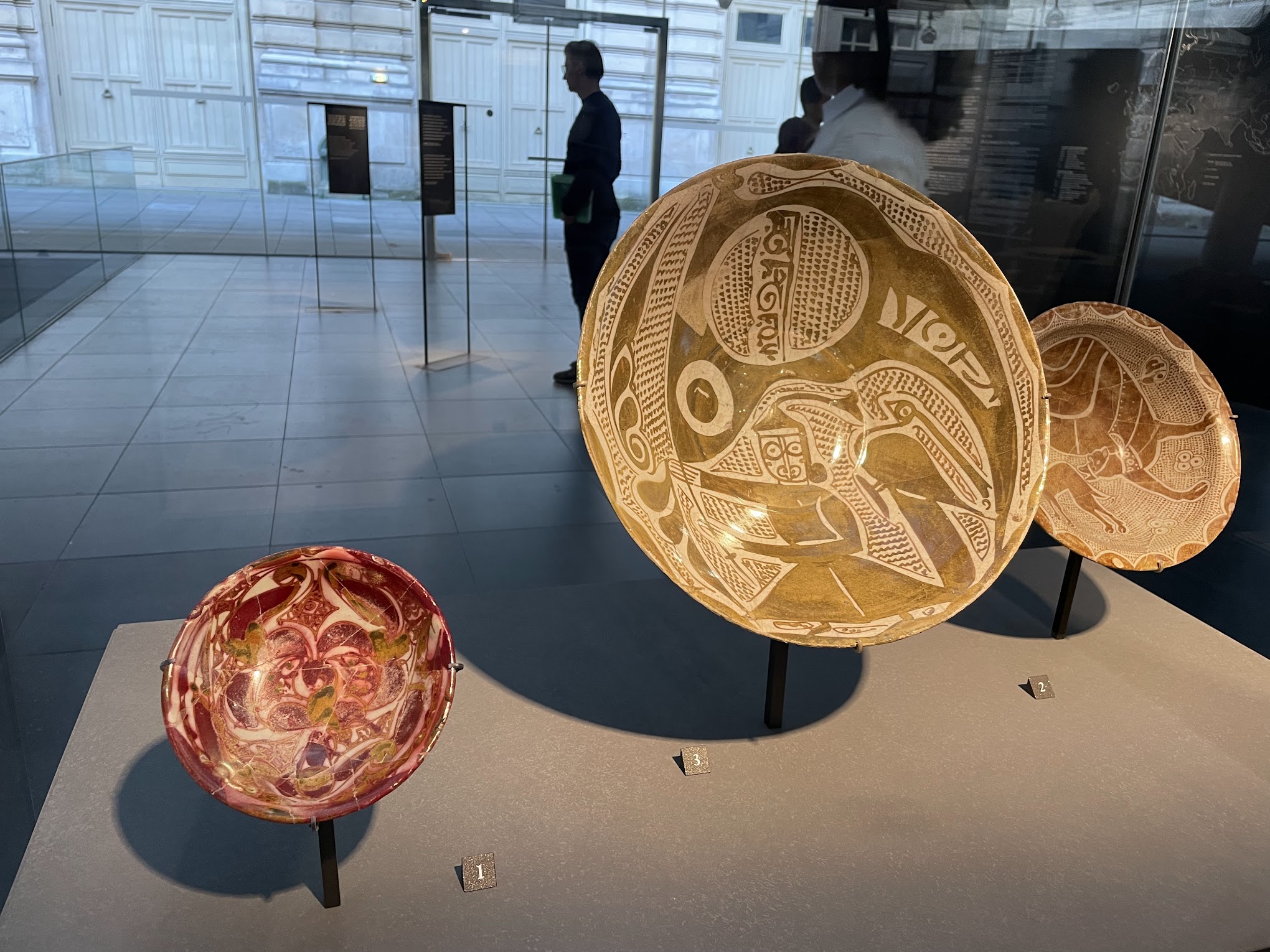
Besides the visual imitations of forms and decorations, it is interesting to consider whether borrowings of production techniques can be considered imitations. For example, in the 18th and 19th centuries European potters made copies of Chinese red porcelain known as ‘boccaro’ or ‘bucaro’ that were often nearly indistinguishable. However, the European products were made out of stoneware rather than porcelain, which, though very similar, do differ in composition and consequently structure. Notably the firing temperature for stoneware is lower than that of porcelain, thus decreasing its production cost. However, one of the earliest imitators of Chinese red ceramics, Johann Friedrich Böttger “used not only the same style but also rather similar technology by mixing similar raw materials”[7]. Combined with his use of molds of original Chinese porcelains, this production technique can be concluded to be employed to increase the believability of the forgery. Here, appearance was the primary goal and the copy of the choice of raw material was only an occasional technique aimed at making the forgery even more discreet.
Other examples are less clear. In India pottery had existed for centuries, but it was traditionally left unglazed. This makes it less durable than its glazed counterparts, and it was often intended to be more disposable. Glazing arrived to Punjab and Sindh in the 13th century with the establishment of the Mongolian Empire. Not only did the unification of this large swath of territory allow for easier trade and diffusion of artistic trends, but the local aristocracy often moved artisans from distant parts of the empire to establish more local production of luxury items under their patronage. The practice of glazing ceramics was brought by the Afghan artisans summoned by the early Pathan kings to produce tiles meant for the decoration of mosques and tombs in Delhi. The patronage continued under the Mughals, allowing the Muslim artisans to expand production. This led to the appearance of ceramics with Indian designs, but Persian production methods. In our discussion of imitations, how is such artistic borrowing to be classified? Are the Afghans imitating Indian designs, or are the Indians imitating Afghani techniques, or is this “cultural fusion” separate from imitation as a concept?
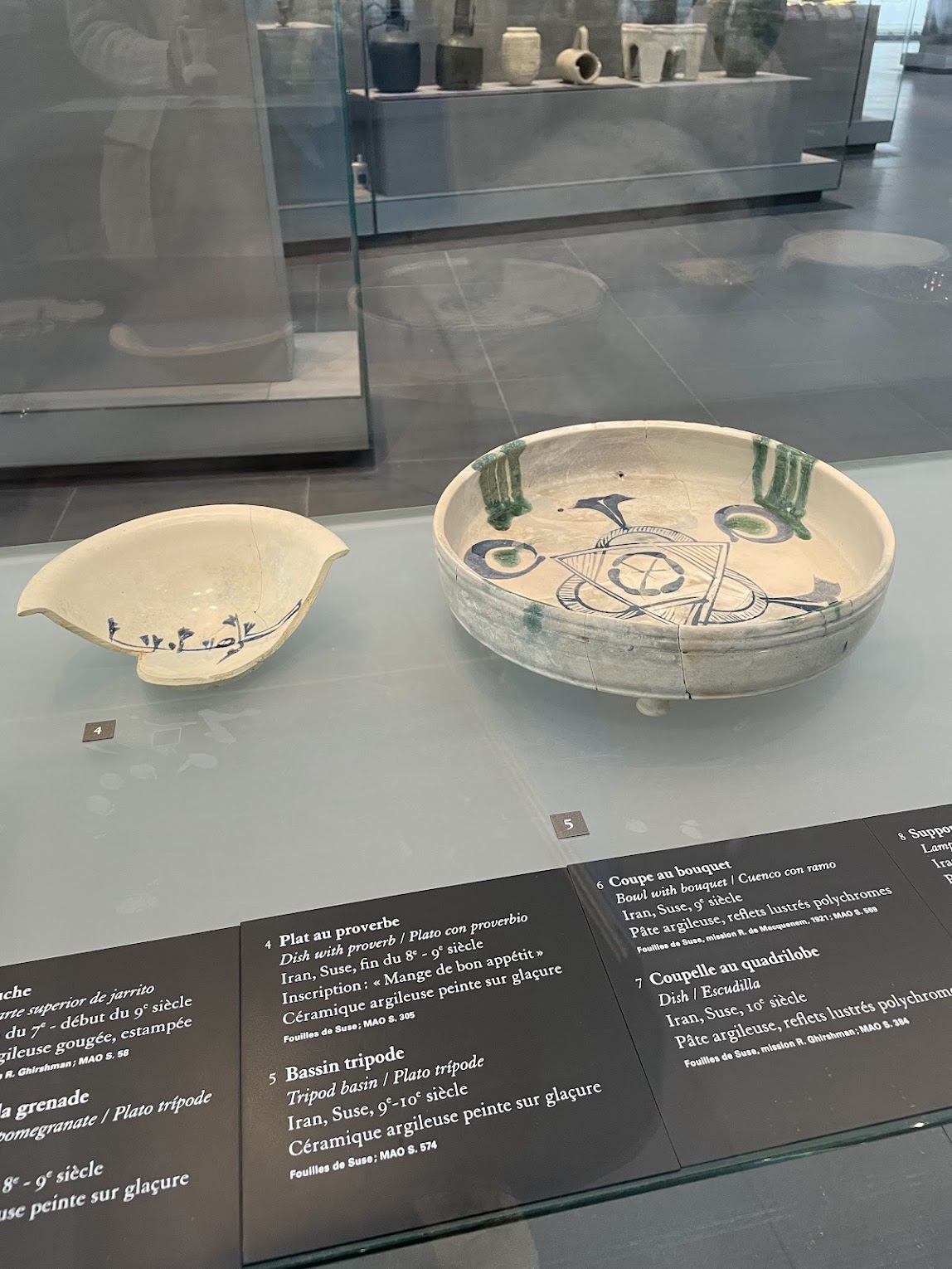
The question of defining imitation is therefore a very hard one. We have expanded it beyond the narrow sense of a forgery, which seeks to create a cheaper copy of a desired product to sell for a profit. Instead the borrowing of foreign artistic styles or even techniques as a way of artistic inspiration and the expansion of the market have been considered. If we accept these under the umbrella of the term “imitation”, where exactly is the line between such borrowing and what one might term as “blending of styles” or artistic individuality by means of inspiration?
A particularly illustrative case of this challenge is the Yuan dynasty's blue-glazed porcelain, one of the most recognizable Chinese ceramic styles. Under the unifying force of the Mongol Empire, these luxury wares were greatly sought after in the Ilkhanid Khaganate. Chinese scholarship has often emphasized the indigenous innovation of these ceramics, presenting them as a product of Chinese ingenuity that was emulated and prized abroad. Other scholars point out the dependence of these wares on imported cobalt and propose that while the individual decorative motifs, such as the phoenix or stylized clouds, had long-established Chinese traditions, the overall decorative schemes borrowed heavily from Islamic metalwork traditions, suggesting that both the design process and consumerism was driven by the Muslims and their aesthetic preferences. It is clear that both camps of thought have facts on their side, which makes the most likely explanation be that neither the Ilkhanid Muslims nor the Yuan ceramicists may claim full ownership of the artistic tradition and that this is once again an example of the blossoming of the arts under the Mongol rule thanks to the transfer of both ideas and people across the empire[8]. In this case, can we even attribute the product to Yuan if the artisans are not ethnically or traditionally Chinese? Or can we say that the new product is the invention of those displaced artisans themselves? Is it a fusion of styles? How is it to be classified?
Critique of the approaches
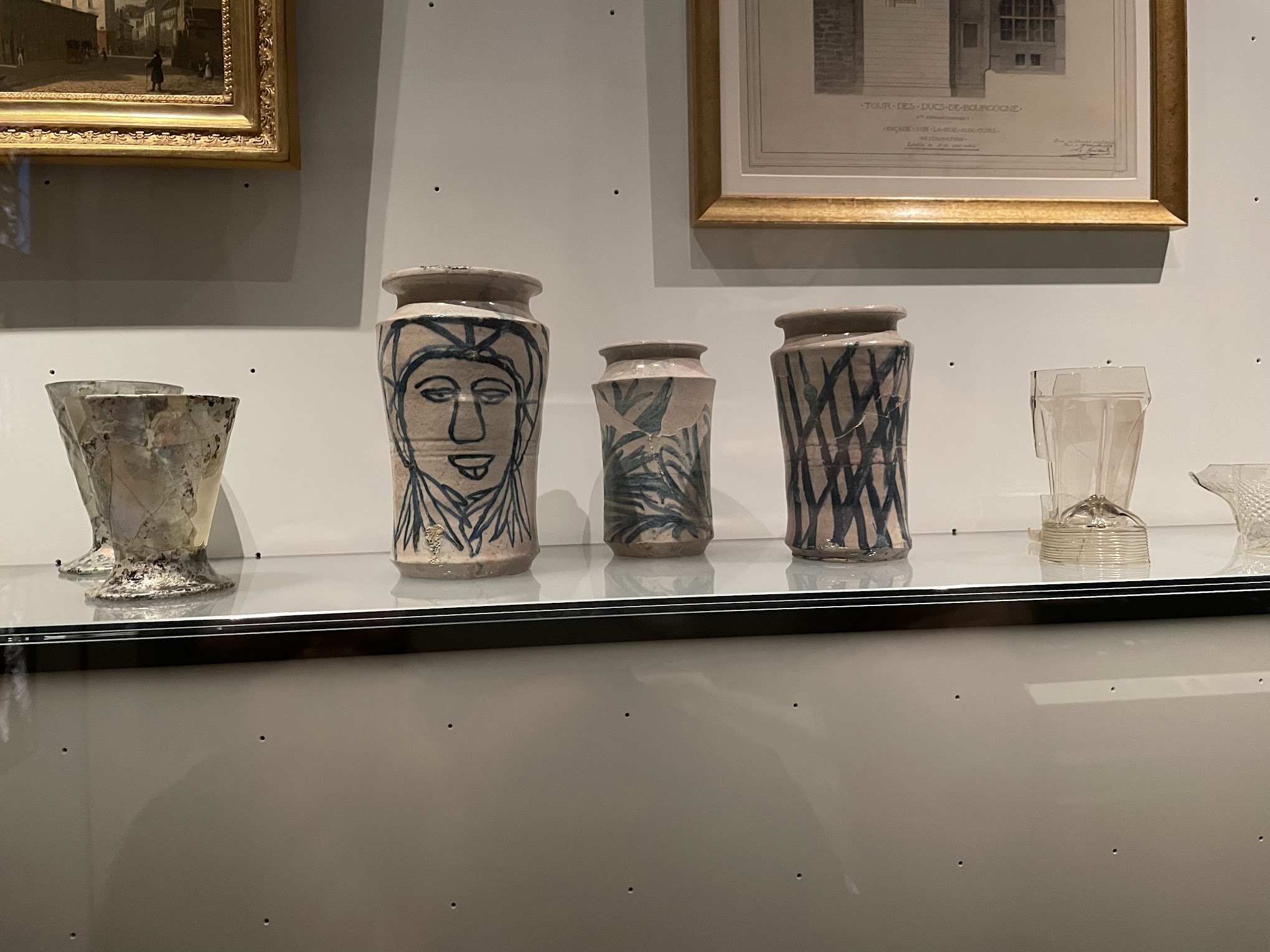
In our striving for knowledge, one cannot help but laud the scientific advancements that allow us to examine the fabric of the ceramic vessels. Not only does it give one much additional data, but this data is also objective. One of the main qualms with the current methods of ceramic typology is that it is based on the subjective opinions of the connoisseurs which impact the initial classification and impedes peer review, especially since such connoisseurs are hard to train or come by.. But which elements of the design or form are to be considered instrumental in determining classification is an open question and the degree of similarity or difference between such elements is unquantifiable. Chemical and topographic analyses are objective and easily replicable, linking the ceramic to specific geologies. I would like to further laud the fast advancements within these technologies, with the formation of new non-invasive approaches and portable machines[7]. The first is important from an ethical viewpoint, as grinding off parts of vessels to acquire samples is problematic from a preservation point of view. However, there is still a ways to go to create fully non-invasive techniques, as, for example, the slipped wares still require their slip to be removed for the body to be tested[1]. Even if not universally applicable, such tools still yield valuable insight and I hope that their continual betterment, reduction in cost and increase in portability will prompt more researchers to consult them as a means for gathering data.
My issue with this approach is that it is very positivistic and deterministic in its classification. As I have brought up before, linking a specific vessel to a specific geographically-defined geology is very useful for identifying production centers, but that information is only part of all that can be known about a vessel. I do not believe that the location of production is the only or main factor that should determine classification. While it is the most objective approach that we have, it fails to answer or consider the humanistic aspects. Are the quality or methods of production to be completely disregarded in the favor of pinpointing the geographic “micro-region”? In their discussion of the Pomeian slipped wares found at Cumae, Izzo et al. focus on the inclusions within the main clay to place the production center right in the Somma-Vesuvius environs. However, they do briefly admit that over time the quality of these ware, which held “one of the highest technological standardization of pottery manufacturing in Cumae between the first century BCE to the first century CE” decreased over time, showing less careful material selection and less control over the firing conditions, creating both compositional and structural differences[3]. According to their own methods, wouldn’t these observable changes necessitate the later vessels to be classified as a different typology? In this manner, one could say that the newer vessels were imitations of the old “golden age” ones. But instead Izzo et al. break from their own rules and classify them as temporal fluctuations within the same typology. But by that logic, wouldn’t any ceramic produced within the same location and in roughly the same technique and appearance be considered to be of the same typology, regardless of the separation in time? For that would make the Chinese “fakes” vendors who recreate ancient porcelain to be continuers of the same tradition, not imitators of it[5].
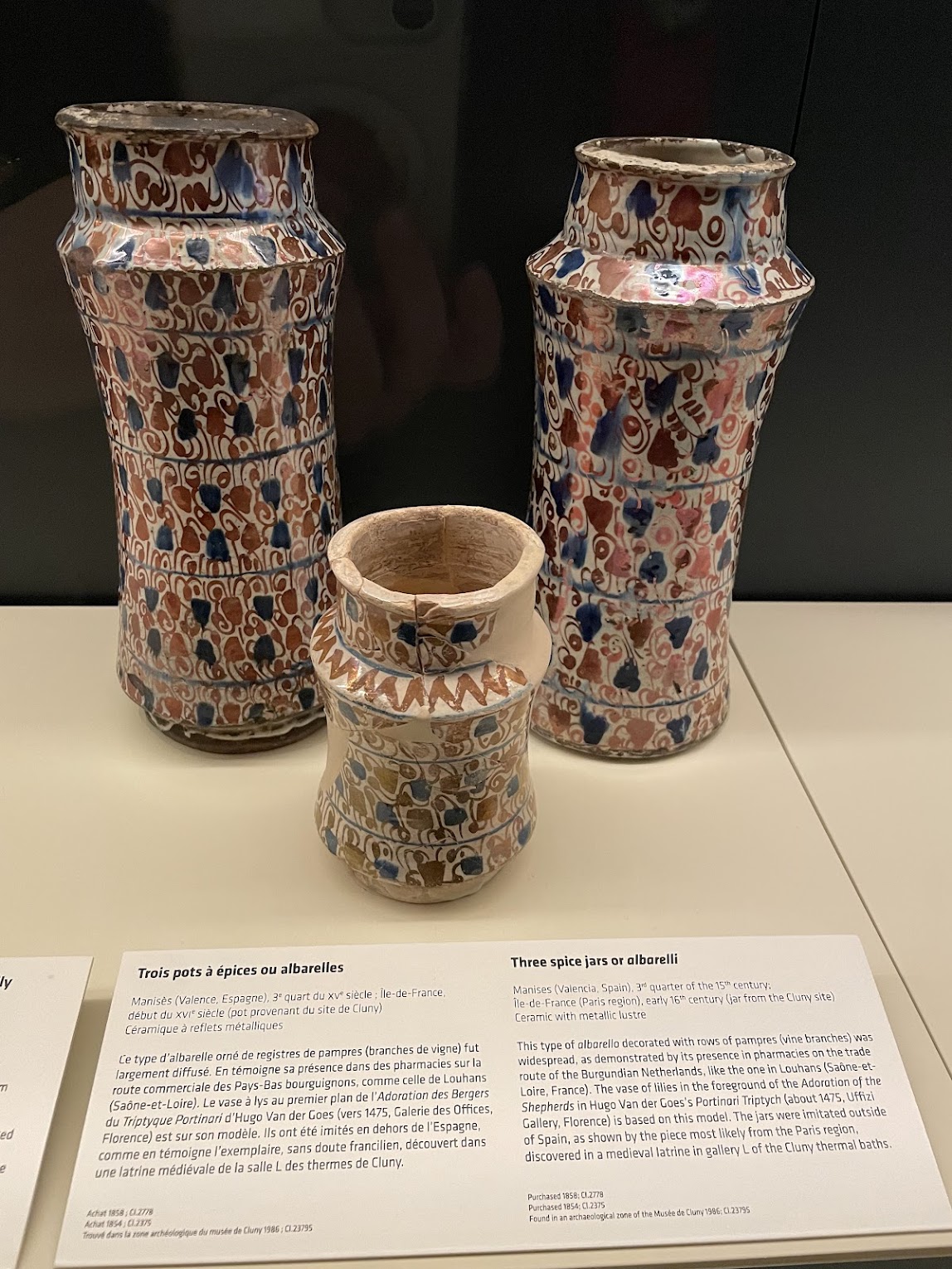
Therefore while the chemical and microscopic analysis lends good answers regarding provenance, they say nothing about the temporal aspect, leading to the incongruities I have just now demonstrated, nor do they consider the forms and decorations of the vessels. These stylistic elements are, after all, what was visible to the contemporary consumers and by which the vessels were largely judged. Whether a vessel is a “local style” or imitation is judged by its appearance. While the case for copies, where the similarity of both form and decoration are undeniably alike to the original, is settled by determining provenance, in the cases of mixed influence this methodology ceases to be the “silver bullet”. In his study of the Pannonian slipped ware, Leleković catalogs numerous examples which show the influence of both Italian (Po Valley) and Gaulish slipped wares, making the vessels impossible to be assigned as imitations of any one of these styles. Though Leleković’s approach may be critiqued for attributing stylistic qualities to the essential functional features of the vessels, the issue still stands. Moreover, many of these vessels also show influence of the pre-colonial local style. This could be attributed to failures to adapt the local production to the newly-desired forms, creating them in a poorer quality than the original. However, the level of craftsmanship and degree of local influence rather leads one to believe that this was an intentional choice, an adoption of the foreign influences to the local functional needs and desires.
The intentions of the producers thus take center stage in the debate regarding whether something is an imitation or a new artistic style born out of cultural fusion. Since intent was the driving factor of the specific production decisions, it would be the best characteristic to classify objects by. Was the vessel meant to deceive the consumer for the sake of profit, either presenting itself as a prestigious import or a valuable antique? Was it intended to supplement supply, filling in for a desired type that was no longer accessible due to trade disruptions or limited availability? Or perhaps it was the product of a foreign artisan continuing an established tradition, where formal similarities reflect continuity rather than imitation? Such questions are compelling because they highlight the agency and social realities of producers and consumers, choices made in response to all the other factors that we seek to consider: local tastes, market demands, political shifts, and individual artisanal identity. As desirable as it all is, the technicality of this approach is not only difficult but outright impossible, for intent is an immaterial thing. We can attempt to infer it from all of the above-mentioned characteristics, but sadly we cannot attain it directly, making any classification according to intent, as Piertson has done, be more subjective than any of the above-mentioned.
Advice for the researcher and concluding remarks
Neither scientific analysis nor stylistic typology can, on their own, provide a full account of ceramic imitation. Scientific methods - such as petrography, X-ray Powder Diffraction, or optical and electron microscopy - can reveal much about a vessel’s fabric, origin, and production technology, yet they remain silent on matters of cultural meaning, visual influence, or consumer perception. Conversely, stylistic analysis, grounded in formal comparison and typological classification, may offer insights into visual traditions and artistic choices, but it is highly susceptible to the interpreter’s assumptions, often shaped by an unspoken canon or culturally loaded expectations. Moreover, both approaches fall short when faced with the problem of the artist’s intent. Both approaches have setbacks, and both have their usefulness. Thus I advocate for a more nuanced, multi-tiered analytical approach - one that integrates scientific, stylistic, contextual, and historical perspectives.
Even then, we must acknowledge that this synthesis, however well-constructed, is never complete. It is impossible to know everything, especially all at once. Researchers must be explicit about their goals from the outset and select methodologies that align with the particular question they are trying to answer. No one method answers all questions, and claiming otherwise leads to overreaching conclusions that distort more than they reveal. While this specialization may narrow the immediate focus of a given study, it fosters the kind of methodological clarity that is crucial for building honest and rigorous scholarship. These focused contributions can then serve as parts of broader synthesis studies, in which different methodological lenses are placed in dialogue with each other to produce insights that no single approach could reach alone.
Finally, it is vital to resist a positivist attitude - the belief that full knowledge can be achieved through the accumulation of enough high-quality data. The truth of the matter is that we do not possess all the information - much has been lost to time, and from a practical standpoint, churning over endless sets of data will not be the most efficient or wise use of our time and resources. But even in the hypothetical situation that we had all of the data possible, the way we construct typologies, define categories, and interpret trends remains fundamentally shaped by subjective choices: which features we prioritize, which comparanda we value, and which definitions of authenticity or originality we uphold. This makes it all the more important for researchers to remain transparent about their assumptions and limitations, and to recognize how those choices may shape not only their own findings but also the biases within broader interpretive frameworks into which their work is absorbed.
Bibliography
1. Fabrizi, L., et al. “Mineralogy and Microfossils as Key Drivers for the Characterization of the Phoenician Red Slip Ware from Cadiz (Andalusia, Spain).” Microchemical Journal 174 (2022): 1–11. https://doi.org/10.1016/j.microc.2021.107054.
2. Francis, Jane E. “Roman Imports, Imitations, and Local Identity in Sphakia, Southwest Crete.” Rei Cretariae Romanae Fautorum Acta 43 (2014): 28.
3. Izzo, Francesco, et al. “An Archaeometric Investigation in a Consumption Context: Exotic, Imitation and Traditional Ceramic Productions from the Forum of Cumae (Southern Italy).” Journal of Archaeological Science: Reports 35 (2021): 1–19. https://doi.org/10.1016/j.jasrep.2020.102768.
4. Leleković, Tino. “Pannonian Slipped Ware From Mursa: View of the Current Level of Research.” In Road and Rivers, Pots and Potters in Pannonia – Interactions, Analogies and Differences, edited by Ivana Ožanić Roguljić and Angelina Raičković Savić, 75–98. Zagreb: Institut za arheologiju, 2022.
5. Pierston, Stacy. “True or False? Defining the Fake in Chinese Porcelain.” Les Cahiers de Framespa 31 (2019). https://journals.openedition.org/framespa/6168.
6. Punekar, Ravi Mokashi, and Shiva Ji. “Ceramic-Ware along the Ancient Silk Trade Route—A Short Study of Cross-Cultural Influences on Product Form.” Science and Technology Journal 4, no. 2 (2016): 84–97. http://doi.org/10.22232/stj.2016.04.02.02.
7. Simsek Franci, Gulsu, and Philippe Colomban. “On-Site Identification of Pottery with pXRF: An Example of European and Chinese Red Stonewares.” Heritage 5, no. 1 (2022): 88–102. https://doi.org/10.3390/heritage5010005.
8. Soucek, Priscilla. “Ceramic Production as Exemplar of Yuan-Ilkhanid Relations.” RES: Anthropology and Aesthetics 99, no. 35 (Spring 1999): 125–41.